Tag: communication

  • HOW TO COMMUNICATE EFFECTIVELY IN A RELATIONSHIP: 7 TIPS THAT HELP

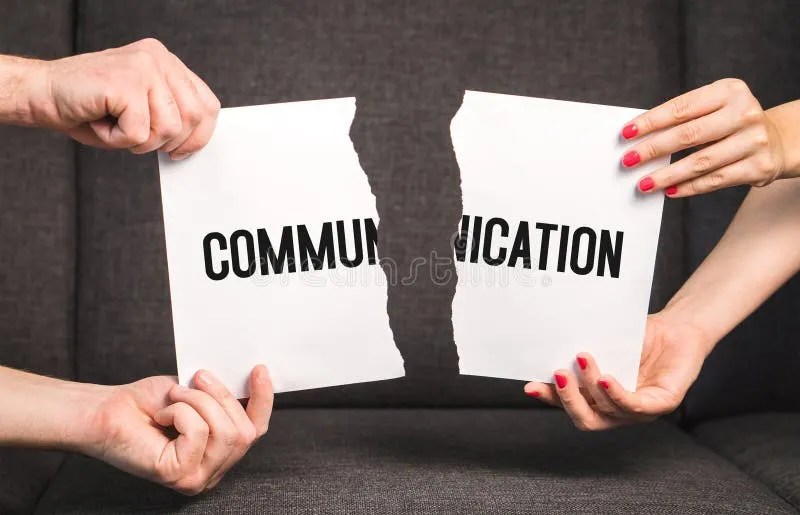
    Communication is key in every relationship, it builds trust and keeps your relationship strong, a relationship without communication leads to loss of trust and falls apart very quickly.

    Good communication is the heartbeat of any strong relationship. Whether you’re dating, married, or just trying to understand someone better, knowing how to express yourself and listen can make all the difference. In this post, I’ll share simple, real-life tips to help you communicate better and grow stronger as a couple.
    1. Listen to Understand, Not Just to Respond

    Being in a relationship Isn’t always fun, It gets hard sometimes and frustrating , but it doesn’t mean you must give up or end the relationship. Talking to each other helps , It brings out problems and solutions to them. Often, we listen while planning what we’ll say next. But effective communication starts with truly hearing your partner. Put aside distractions, focus on their words, and show that you’re listening with eye contact and affirming responses like, “I see,” or “Tell me more.”

    2. Use “I” Statements Instead of “You” Accusations

    Sometimes using the “I” statement makes your partner feel their not alone, and brings comfort to them.

    Blame can make your partner feel attacked. Try saying things like:

    • “I feel hurt when we don’t talk about our day.”
      instead of
    • “You never ask me how my day was.”

    “I” statements express how you feel without blaming the other person.

    3. Stay Calm During Arguments

    Arguments are normal, but yelling or saying hurtful things can damage trust. If emotions are too high, it’s okay to take a break and say, “Let’s talk when we’re both calmer.”


    4. Talk in Person (Not Just Over Text)

    Text messages can cause misunderstandings because tone is hard to read. For serious or emotional topics, try to speak face-to-face or at least call. Hearing someone’s voice can clear up a lot of confusion.


    5. Be Honest—But Kind

    Being open about your feelings builds trust, but it’s important to speak with kindness. Ask yourself: “Would I want someone to say this to me the same way?”


    6. Ask Questions Instead of Making Assumptions

    Don’t assume you know what your partner is thinking. Ask gentle questions like:

    • “Is something bothering you?”
    • “Can you help me understand how you’re feeling?”

    It shows you care and want to work together.


    7. Make Time for Meaningful Talks

    Don’t wait for conflict to communicate. Set time to talk—whether it’s during a walk, dinner, or just before bed. A few minutes of intentional conversation each day can strengthen your emotional bond.

    Great communication doesn’t mean you’ll never argue—but it does mean you’ll handle things with more love, respect, and understanding. Start practicing these tips today and notice how your relationship begins to feel safer, stronger, and more connected.

  • How to Maintain a Long-Term Relationship: Tips for Lasting Love

    Have you ever wondered what makes some relationships strong and others struggle? Building and keeping a good relationship takes effort and understanding. Whether it’s with family, friends, or a partner, there are key things we can do to make sure our connections stay healthy and happy. In this block, we’ll explore practical tips and ideas to help you build and maintain strong relationships that last.

    Communication is Key: Regularly talk with each other about your feelings, concerns, and joys. Being open and honest helps build trust and understanding.

    Listen Actively: Pay attention to what your partner is saying without interrupting or judging. Show empathy and try to understand their perspective.

    Respect Each Other: Value your partner’s opinions, boundaries, and individuality. Treat them with kindness and consideration, even in moments of disagreement.

    Quality Time Together: Make time for each other regularly. Whether it’s going for walks, cooking together, or simply relaxing, quality time strengthens your bond.

    Support Each Other’s Goals: Encourage and cheer on your partner’s aspirations and ambitions. Be their biggest fan and celebrate their successes.

    Resolve Conflicts Constructively: Disagreements are natural. When conflicts arise, address them calmly and respectfully. Focus on finding solutions rather than placing blame.

    Show Affection: Express your love and appreciation through words, gestures, and small acts of kindness. Regular displays of affection nurture intimacy.

    Maintain Independence: While being a couple is important, it’s also crucial to maintain individual interests and friendships. Respect each other’s need for personal space and growth.

    Forgive and Let Go: Holding onto grudges can poison a relationship. Learn to forgive and move forward together, understanding that nobody is perfect.

    Keep the Romance Alive: Surprise each other with thoughtful gestures, date nights, or weekend getaways. Keep finding ways to keep the romance and excitement alive.

    Grow Together: As individuals evolve, so should your relationship. Embrace change, learn from each other, and grow together as a couple.

    Seek Help When Needed: If challenges seem overwhelming or communication breaks down, consider seeking couples counseling or therapy to work through issues together.

    Building relationships takes effort, but sometimes it’s avoiding certain things that can make the biggest difference. Whether it’s with family, friends, or a partner, there are important ways to protect these connections. In this discussion, we’ll explore practical tips to help you steer clear of actions and habits that can harm relationships. By understanding these key points, you can strengthen your bonds and create lasting connections built on trust and respect.

    Communication: Keep the lines of communication open and honest. Address issues calmly and respectfully rather than letting them simmer and escalate.

    Respect Boundaries: Honor each other’s boundaries and personal space. Recognize when to give space and when to be present and supportive.

    Listen Actively: Practice active listening by focusing on what the other person is saying without interrupting or planning your response.

    Manage Anger and Conflict: Learn to manage anger and disagreements constructively. Avoid yelling, name-calling, or using hurtful language.

    Be Honest and Trustworthy: Build trust by being reliable and truthful. Avoid lying or hiding important information, as trust is foundational in any relationship.

    Show Appreciation: Express gratitude and appreciation for each other regularly. Small gestures of kindness can go a long way in strengthening bonds.

    Compromise and Flexibility: Relationships require compromise. Be willing to find middle ground and be flexible in your expectations and plans.

    Respect Each Other’s Differences: Embrace each other’s unique qualities and viewpoints. Avoid trying to change or control the other person.

    Forgive and Let Go: Learn to forgive mistakes and let go of past grievances. Holding onto resentment can poison relationships over time.

    Maintain Independence: While relationships require closeness, it’s also important to maintain individual hobbies, friendships, and interests.

    Seek Help When Needed: If issues seem too difficult to resolve on your own, consider seeking guidance from a counselor or therapist.

    Avoid Manipulative Behavior: Refrain from manipulating or using guilt to get your way. Healthy relationships are based on mutual respect and equality.